
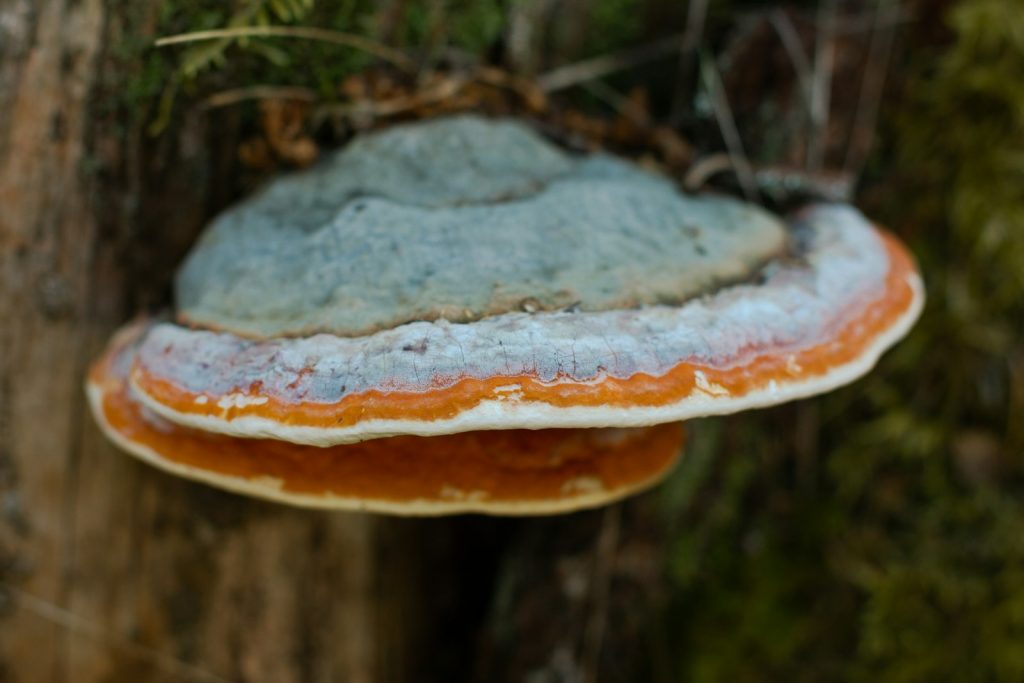
The chaga mushroom most often grows on birch trees, which is why it is also known as the black birch mushroom. In general, the spores of this fungus develop when they reach a damaged area of the bark. They grow in an irregular shape and can reach a considerable size. The outer surface is black and covered with numerous cracks. Inside, chaga is dark brown, becoming reddish-brown near the tree.
Chaga is little known in Bulgaria, but it is very well known in Siberia and Asia and is taken mainly as tea. It can also be found in our mountains, mostly at higher altitudes, and differs from most tree fungi in that it is hard and quite large – almost as large as the host tree on which it grows.
The healing properties of the chaga birch mushroom are due to its rich content of magnesium, potassium, iron, manganese and copper. It contains: polysaccharides, which strengthen the immune system and help treat cancer and bacterial and viral infections; betulinic acid, which counteracts viral infections and tumours; triterpenes, which lower cholesterol, improve circulation, detoxify the liver and help treat hepatitis, bronchitis, asthma and cough; germanium (an enemy of free radicals), which purifies the blood, normalises blood pressure and helps prevent tumours.
Chaga has anti-cancer and immunomodulating effects. It improves metabolism in brain tissue, lowers blood sugar, stabilises blood pressure and regulates the gastrointestinal tract, as well as some digestive disorders.
Folk medicine and modern medicine use chaga tea for: strengthening the immune system; as a tonic after serious illness and surgery; treating stomach diseases; liver and heart diseases; hypertension; and treating psoriasis, eczema and other skin conditions.
Clearly, we are talking about a precious gift of nature that helps in the treatment of many of today's most common diseases.
From the Transmed Holistic Center team
Have a question for Dr. Hadzhieva?
Write to us or give us a call — we will be happy to help.