Orthomolecular medicine – part I
We live in dynamic times, in which information about medical achievements, innovations and technologies is readily available. Scientific advances now make it possible to reproduce parts of the human body through 3D printing. Robots perform complex heart operations, and high-tech bioresonance devices can diagnose the body's processes within just an hour. The role and importance of orthomolecular medicine is undisputed for the optimal functioning and recovery of the most complex “laboratory” of the human body – its biochemistry, the basis of every healing process and of optimal health. So what is orthomolecular medicine?!
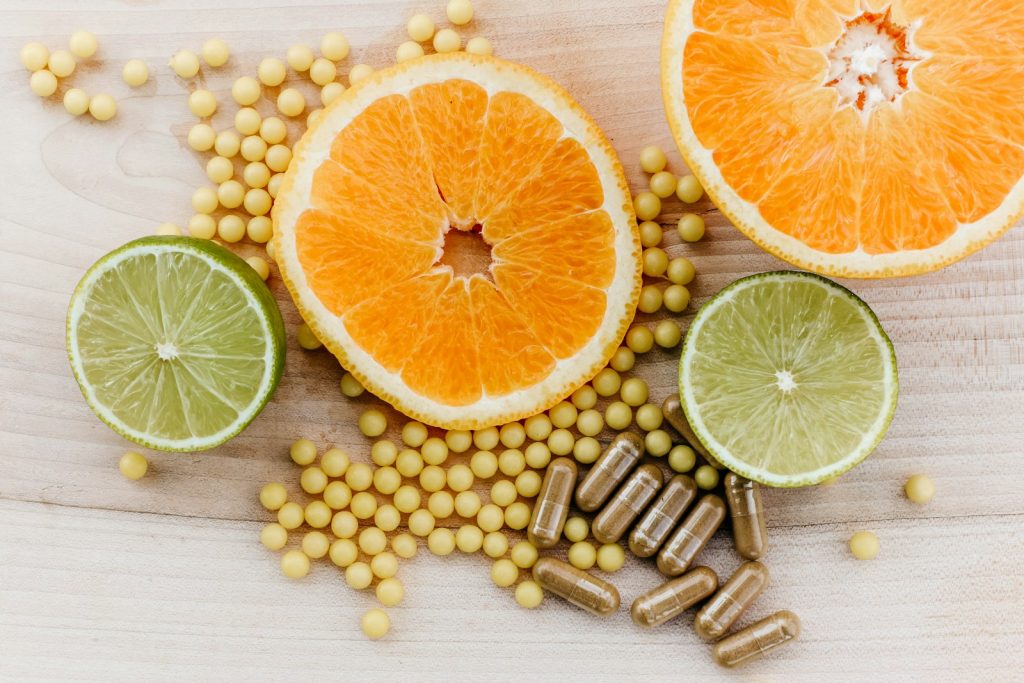
Modern dieticians and nutritionists believe that the human body needs about 40 different nutrients every day to function normally. Because the human body cannot produce, or obtain from food, all the vitamins and trace elements it needs, orthomolecular medicine proposes using the achievements of modern science to provide the body with the necessary vitamins, trace elements, amino acids and so on – the so-called “elementary particles”.
“Elementary particles”
It is worth noting that orthomolecular medicine became popular thanks to the famous scientist and public figure Linus Pauling, who is considered the “father” of this field of medicine. He was the first to draw attention to the fact that even the healthiest and most balanced diet cannot provide a person with a complete “nutritional basket” of all necessary nutrients. Pauling also gave orthomolecular medicine its name, combining “ortho” (“right”) and “molecule” (Latin root). The meaning is: the right molecule in the right place.
The story of this remarkable man deserves an article of its own, but let us briefly introduce it: at just 40 years of age, doctors diagnosed him with a serious illness – Bright's disease, a kidney disease that could have drastically shortened his life. However, the researcher did not accept the official diagnosis and began a strict diet including large doses of vitamin C. What followed was a medical miracle: not a trace of the disease remained, and Linus Pauling later went on to win two Nobel Prizes.
After this miraculous recovery, the scientist began to promote the importance of including food supplements in the diet. He carried out a series of experiments whose results were shocking and unthinkable for the time, but which ultimately proved beyond doubt the role that “elementary particles” (vitamins, minerals, micronutrients) play in the metabolic cycle. Thanks to his research, nobody today doubts the value of taking additional vitamins. In a broader sense, Linus Pauling can be considered the “father of food supplements”. Paradoxically, the illness of a famous researcher and name in medicine served as the starting point for research in orthomolecular medicine.
The key to health
Today, practitioners and supporters of orthomolecular medicine organise seminars and give lectures on healthy living throughout the developed world. Every year thousands of doctors attend these lectures and seminars, and the achievements in this field are used in the most prestigious medical and holistic centers.
At present, orthomolecular medicine does not claim to cure all existing diseases. Yet thanks to “vitamin” therapy and prevention, it is possible to successfully fight colds and flu, high blood pressure, polio, autoimmune diseases and some oncological processes. There are orthomolecular medical protocols that help with prostatitis and mental illness. The least orthomolecular medicine can do for a person, through vitamins and trace elements, is to raise the body's overall tone and improve the patient's physical and mental health.
Orthomolecular medicine focuses all its attention on the cause of a particular disease and treats the source of the illness itself. Sometimes orthomolecular products act more slowly than conventional pharmaceutical ones, but the effect of their use is lasting and stable. It is no coincidence that today the optimal use of orthomolecular substances is considered a reliable natural shield that preserves human health, improving the quality and length of human life.
Coming in part two – more about the essence, definitions and the 15 “gold” standards of orthomolecular medicine.
Have a question for Dr. Hadzhieva?
Write to us or give us a call — we will be happy to help.