
The main mineral deficiencies,
their symptoms and how to overcome them
Many people in developed Western society believe that where food is plentiful and hunger relatively rare, nutrient deficiencies cannot be a problem. Yet in many parts of the world, including Europe and North America, nutritional deficiencies are common, even in children, and are often responsible for many of the symptoms and diseases people face today. Do we really know how important minerals are for our body's biochemistry, and do we know where to get good-quality minerals?
Why have mineral deficiencies become a silent epidemic?
The way today's agricultural and healthcare systems are built globally, together with people's daily habits, makes it almost impossible to escape mineral deficiency by middle age. You may avoid mineral deficiencies, but to do so you would need to avoid their main causes:
- Poor soil conditions, due to continuous treatment with chemical fertilisers
- Eating processed and non-organic foods from which nutrients have been further removed
- Chronic stress
- Reduced consumption of raw and fermented foods
- Low stomach acid
- Daily coffee consumption
- Fluoridated or polluted water
- Excessive sugar consumption
- Heavy metals
Few are lucky enough to avoid all these factors.
Many of us are probably directly affected by one or more of these deficiencies. Until we pay special attention to them and correct our living conditions, we will most likely experience their consequences.
Symptoms of mineral deficiencies:
- Anxiety or depression
- Poor concentration
- Weakness or tiring quickly
- Muscle spasms and cramps
- Poor immune function
- Poor social, mental or bone development in children
- Osteoporosis
- Poor wound healing
- Infertility
- Loss of appetite
- Irregular heartbeat
- Constipation, bloating or diarrhoea
- Heartburn or acid reflux (in extreme cases, nausea or vomiting)
- Numbness in the limbs
- Poor skin, nail or hair health
- Anaemia
Any of these conditions may be linked to a mineral deficiency. Four of the most common mineral deficiencies today are of magnesium, iodine, iron and zinc.
Symptoms of magnesium deficiency
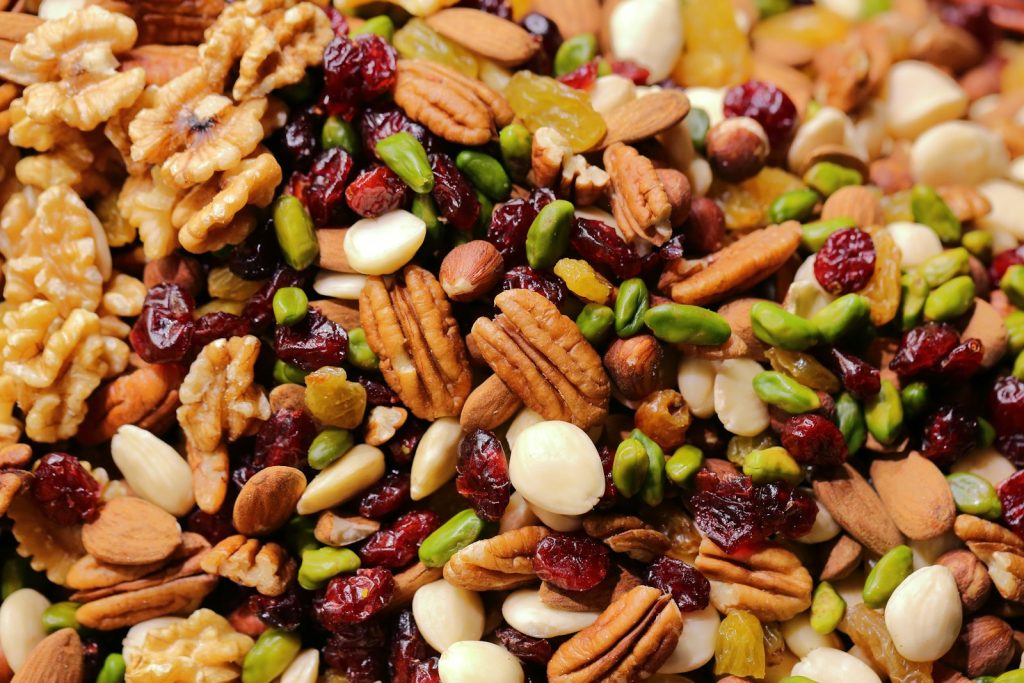
A deficiency of this mineral can cause many problems because of its overall importance in the body. Not surprisingly, many people suffer from a lack of it, as chronic stress depletes it quickly and its most absorbable sources – leafy green vegetables – are largely missing from the daily diet. Nuts, legumes and seeds are also good sources, but only if you eat them correctly and have good digestion. Some early signs of magnesium deficiency include:
- Fatigue
- General weakness
- Loss of appetite
- Constipation
- Heartburn
If ignored, these symptoms can worsen and appear as:
- Restlessness and tingling
- Muscle cramps
- Seizures
- Arrhythmia
- Acid reflux, vomiting
You may also notice an increased craving for chocolate, as it is a magnesium-rich food. Leafy greens, beetroot, raw cacao and soaked nuts and seeds are the best natural sources.
Symptoms of iodine deficiency
Another common mineral deficiency that can have disastrous consequences for your health is iodine deficiency. According to Dr. Brownstein, a respected expert and author of the book “Iodine: Why You Need It, Why You Can't Live Without It”, 94.7% of the 500 patients he tested were deficient in organic iodine. Your body signals iodine deficiency through the following signs:
- Impaired thyroid function
- Excessive mucus production
- Chronic fatigue
- Slow metabolism (difficulty losing weight)
- Infertility
- Cognitive impairment
- Anxiety, depression, irritability
- Fibrocystic breasts
- Haemorrhoids
- Headaches and migraines
- Keloids
- Ovarian cysts
- Cancers (breast, ovarian, thyroid, prostate)
- Subcutaneous cysts
If you crave salty foods, it may be a sign that you are iodine deficient. To replenish your body's iodine stores, consider high-quality sea salt, seaweed, walnuts and good-quality supplements containing iodine.
Symptoms of iron deficiency
Without the necessary levels of iron in the blood, the delivery of oxygen to your cells is seriously compromised. This can lead to anaemia, with a feeling of weakness and fatigue. Good sources of iron include organically raised beef, free-range chicken, wild fish and egg yolks. Leafy green vegetables are an excellent source (nettle, spinach, kale, etc.). Special note: Drinking coffee can inhibit iron absorption and, as a result, may worsen iron deficiency.
Symptoms of zinc deficiency
Zinc is an essential mineral for proper immune function, and its deficiency can lead to the following symptoms:
- Frequent colds and viral infections
- Slow wound healing
- Loss of appetite, taste or smell
- Hair loss, brittle nails
- Infertility
You can get zinc from properly prepared nuts and seeds (raw pumpkin seeds are an excellent source), oysters, beef, free-range poultry, birch sap and chaga mushroom. There are many other mineral deficiencies, but these four are very common and of great importance for the body's proper processes. To detect any mineral, vitamin or other deficiencies or excesses in your body (for example, heavy metals), Transmed Holistic Center recommends having an examination at least once a year with the diagnostic hardware-software complex “Metatron Hospital”.
Have a question for Dr. Hadzhieva?
Write to us or give us a call — we will be happy to help.